
Consumers in the world’s largest economies saved an extra $2.9 trillion during the covid-19 restrictions, a major treasure trove that creates potential for a powerful recovery after the pandemic-caused recession.
Households in the US, China, the UK, Japan and the largest Eurozone countries decided to save when they were forced to stay home and away from stores because of the coronavirus, according to estimates by Bloomberg Economics. They are likely to continue to save money as governments maintain restrictions and inject stimulus.
Half of that amount – 1.5 billion – was saved in the United States alone, according to the data. The amount is at least double the average annual GDP growth recorded in the last expansion and equivalent to South Korea’s GDP.
That savings should serve as fuel for economies to rebound when covid-19 is finally controlled and vaccines distributed.
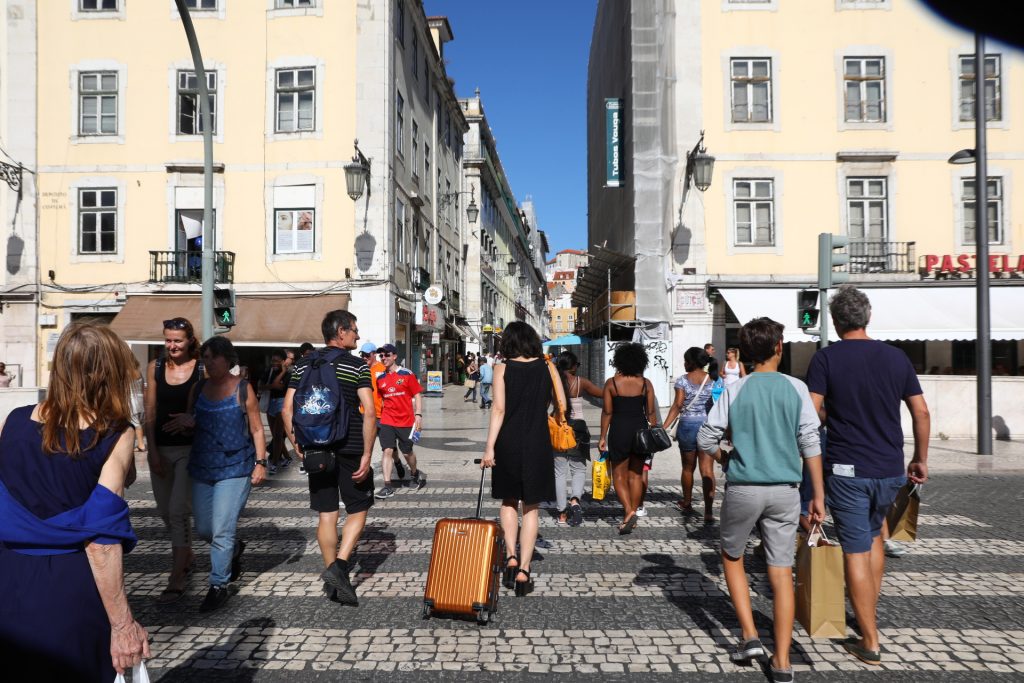
Optimists are betting on a shopping spree as consumers return to stores, restaurants, entertainment venues, tourist spots and sporting events, as well as more purchases of expensive goods. The less confident question whether the money will be used to pay off debts until the health crisis passes and labor markets look stronger.
In the US, if all the money saved in the last year were spent, it would boost economic growth to as much as 9%, rather than the 4.6% currently estimated for 2021 GDP, according to the BE. In contrast, if the money is not spent, the economy will likely grow by only 2.2%.
“The summer of 2020 turned out to be a false dawn, but it also showed how quickly economies can recover when covid-19 controls are removed,” said Maeva Cousin, senior Eurozone economist at Bloomberg Economics. “Could the same thing happen in 2021? The large household savings due to the confinements are one reason we are confident that demand should recover a lot.”
The U.S. is not alone. Chinese households have put 2.8 trillion yuan (about $430 billion) more into their bank accounts than usual. Similarly, deposits increased by 32.6 trillion yen (about $300 billion) in Japan and by 117 billion pounds (about $160 billion) in the UK. In the largest Eurozone economies, combined savings rose by 387 billion euros, led by Germany’s 142 billion euros.

One factor that may increase the desire to splurge: low interest rates that reduce the appetite for keeping money in the bank.
But there is a risk that people will choose to use their savings to pay off debt or decide to preserve family budgets due to ongoing health risks or concern that the labor market recovery will be slow.