
The Mozambique LNG project, headed by the French oil and gas company Total, has opted to reduce its workforce in the Afungi Peninsula, Palma district, in the northern province of Cabo Delgado, where it is building gas liquefaction plants.
Asked by AIM why it had taken this decision, a Total spokesperson said on Saturday that this is “in response to the prevailing situation, including the challenges under way associated with Covid-19 and the security situation in the north of Cabo Delgado”.
“The operational environment remains under continual assessment”, the spokesperson added, “and Total maintains permanent communication with the Mozambican authorities about the matter”.
Recently, there were two terrorist attacks less than five kilometres from the main Afungi camp, and these may have been determinant in Total’s decision to evacuate part of the 3,000 strong Afungi work force. This is the second large scale evacuation from the camp – the first was in April, when the Covid-19 pandemic made its first appearance in Afungi, and obliged suspension of the work until June.
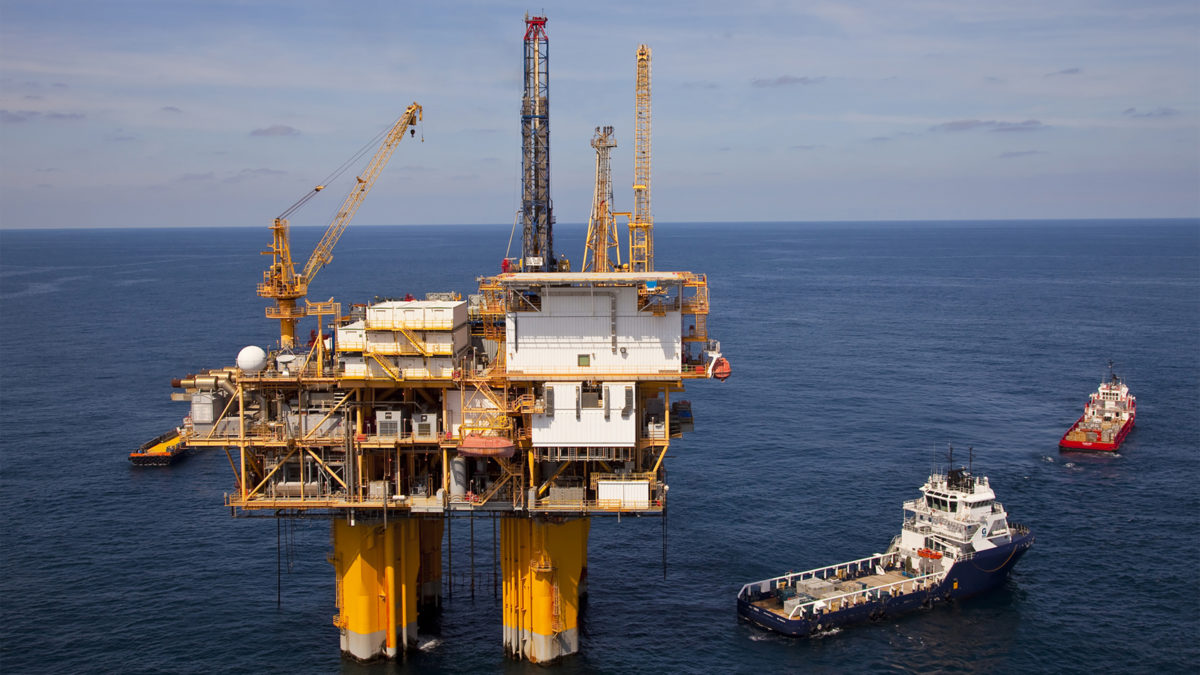
Total’s plan is to build two gas liquefaction plants (known as “trains”) on the Afungi Peninsula with the capacity to produce 13.12 million tonnes of liquefied natural gas (LNG) a year.
The full investment by Total and its partners is put at 23 billion US dollars, 16 billion financed by various banks, and the rest coming from the capital of the consortium partners themselves.
Total E&P Mozambique Area 1, Limitada, a wholly owned subsidiary of Total, operates the Mozambique LNG project, in Area One of the Rovuma Basin, with a holding of 26.5 per cent. The other members of the consortium are Mitsui of Japan (20 per cent), PTTEP of Thailand (8.5 per cent), the Indian companies ONGC Videsh Rovuma Limited., Beas Rovuma Energy Mozambique Limited and BPRL Ventures Mozambique B.V. (10 per cent each) and Mozambique’s own National Hydrocarbon Company, ENH (15 per cent).
Terrorist attacks by fundamentalists linked to the self-styled “Islamic State” began with attacks on police premises in Mocimboa da Praia district on October 2017, and then spread to several other districts in the north and centre of the province.

The raiders have burnt down villages, beheaded many of their victims, and are thought to have killed about 2,000 people. An estimated 550,000 people have been driven from their homes, and are now entirely dependent on humanitarian assistance.