
The Government, through the Ministry of Agriculture and Rural Development, MADER, is seeking a professional partnership to boost the milk value chain in the Beira and Dondo dairy basin, in Sofala province.
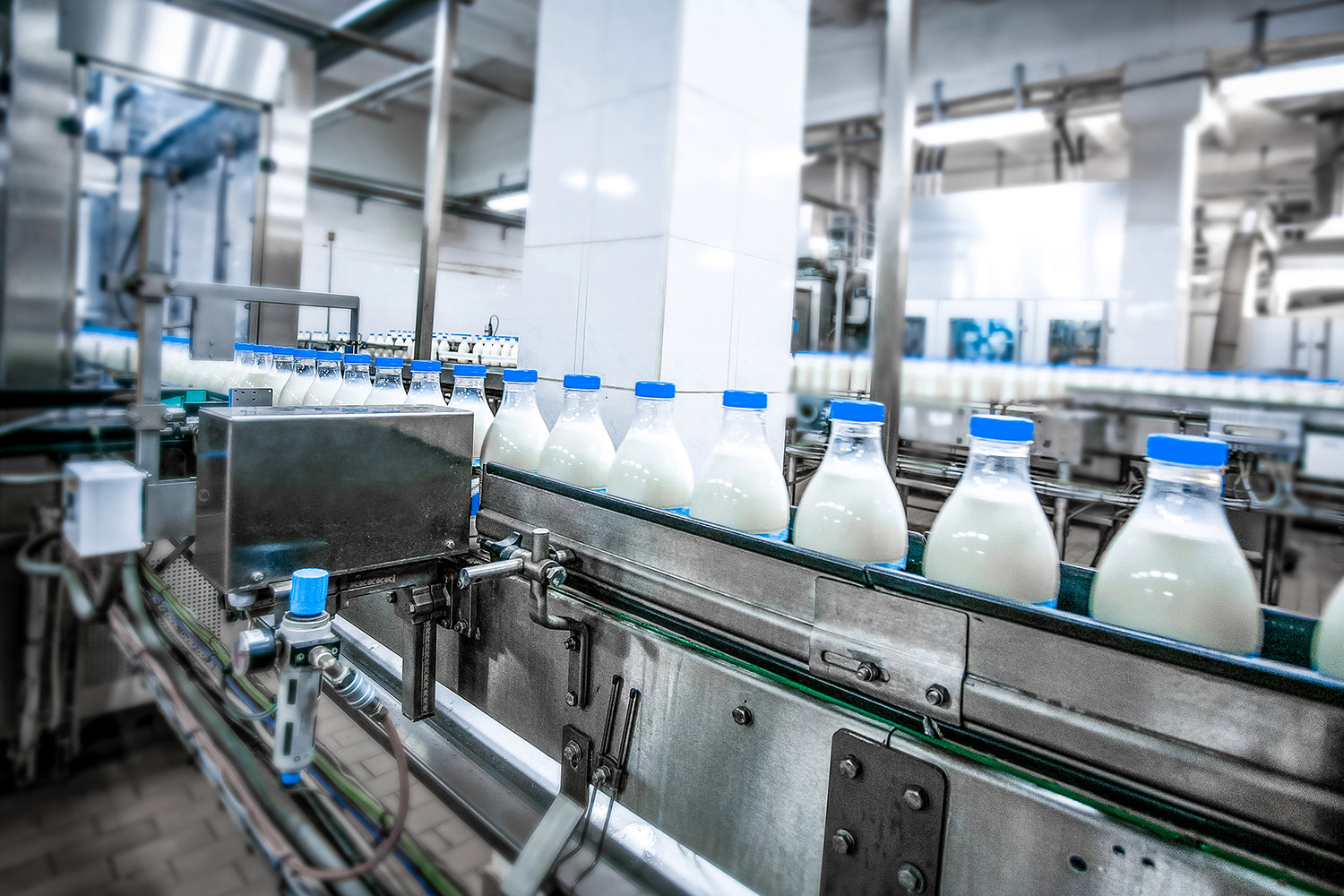
According to MADER, the project involves revitalizing the production of this food and its derivatives based on the operationalization of the milk and dairy factory located in the city of Beira.
In 2013, the government acquired facilities with the aim of making the milk and dairy factory operational, as a strategy for the expansion and sustainability of dairy production in the cities of Beira and Dondo, in an estimated investment of more than 50 million meticais. In this context, MADER intends to hire new professional management for the factory, with a view to boosting the milk value chain throughout the Beira-Dondo dairy basin.
MADER considers that milk production is one of the biggest weaknesses of the livestock sub-sector in Mozambique.
Milk production is still too small to meet the needs of national consumption, and production systems are of very low productivity. The average daily production per cow is five liters and the percentage of lactating animals is below 50%.
To reverse the scenario, the authorities argue that programs to increase milk production should, in parallel, promote the intensification of existing systems and foster dairy animals to new stakeholders.
However, the following are considered as constraints to the development of the milk value chain in an intensive manner: lack of dairy animals, lack of technical knowledge of producers and other stakeholders, low financial capacity to improve production conditions, such as facilities, irrigation systems, milking and conservation of the product.
This picture can only be reversed with the intensification of the dairy cattle production system based on the training of breeders and their technicians in cattle management; implementation of a crossbreeding program to breed dairy cattle, i.e. animals that are more adapted and produce milk, among other indispensable activities.

Available data indicate that, due to the scarcity of milk processing plants, Mozambique was spending, until a few years ago, more than 200 million dollars in the importation of dairy products per year.