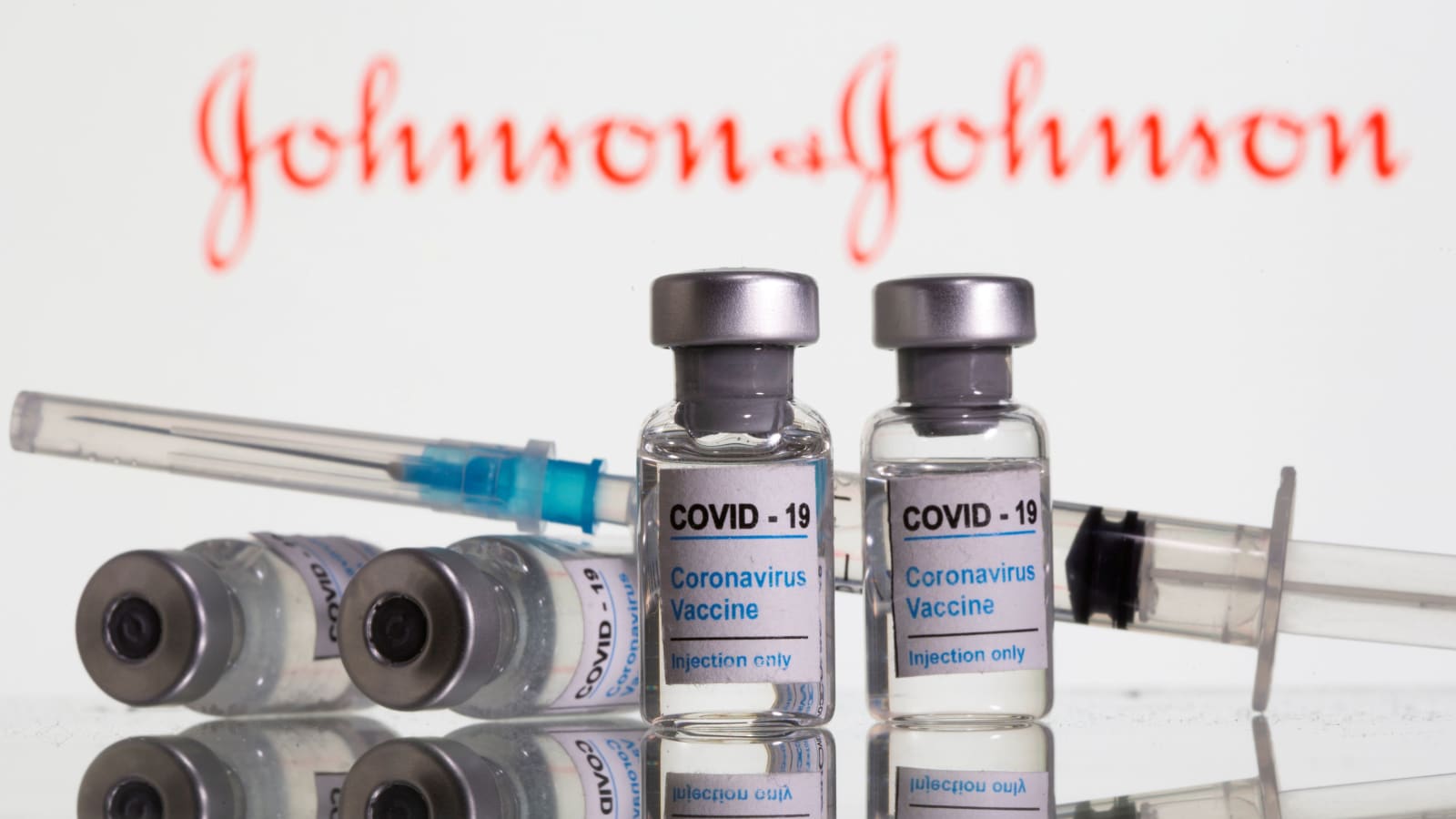

The South African government announced today that it will resume immunization with pharmaceutical company Johnson & Johnson’s covid-19 vaccine, suspended since April 13, in light of the “low” likelihood of developing blood clots.
“It is much better to get the vaccine than to avoid it because of the fear of getting a blood clot. In fact, there are far more cases of clots related to the coronavirus itself than the one-in-a-million chance of clots with the Johnson & Johnson (J&J) vaccine,” Health Minister Zweli Mkhize said today through a statement.
Administration of the covid-19 prevention drugs will resume next Wednesday, but will be done with prior information about the potential risks to vaccinees and additional surveillance measures.
South Africa is also setting up a state fund to compensate anyone who develops relevant side effects from the vaccines.
“Recall that the J&J vaccine is currently the best vaccine against the 501Y.V2 variant, which is dominant in this country. It is an effective vaccine, easy to use and it is still safer to vaccinate than not to vaccinate,” Mkhize pointed out.
Vaccination in South Africa was halted on April 13, shortly after vaccination was halted in the United States, after six cases of severe blood clots, which have since risen to eight, were detected among the nearly seven million people who had been given the single-dose vaccine.
Subsequent assessments have indicated that there is a “one in a million chance” of developing clots, with women between the ages of 18 and 48 at particular risk.
With this data, the overall recommendation has been to continue to give the vaccine, South African officials stressed.
Last Friday, a panel of advisors from the US Centers for Disease Control and Prevention (CDC) recommended to health authorities to continue the use of this vaccine.
The experts said the risks of administering the vaccine, which has been associated with very rare cases of blood clots, are small given the benefits of immunization against a virus that still infects tens of thousands of Americans every day.
The vaccine from Belgian company Janssen, a subsidiary of US multinational J&J, is at the moment the only one available for South Africa, as AstraZeneca’s proposal was rejected last February by the government because of its low effectiveness against the 501Y.V2 variant (discovered in the southern African nation last December, and more contagious and vaccine-resistant).
South Africa, which is the worst-hit country for covid-19 on the continent, with 1 575 471 cases and 54 148 deaths, has vaccinated 292 623 people.
Health workers involved in a special early access study called the Sisonke protocol received the vaccine, using half a million doses of J&J’s vaccine that the company gave to the country for free after AstraZeneca pulled out.
In his statement today, South Africa’s Health Minister explained that the first 1.1 million commercial J&J vaccines, to be applied generally, not under the study, are finally ready for distribution from the South African pharmaceutical company’s Aspen plant (located in the southeast of the country), with which the multinational has a manufacturing agreement.
Mkhize also said that the first batch of vaccines from the pharmaceutical company Pfizer, purchased by the government, will arrive in the country in the first half of May.