
The African Union’s High Representative for Partnerships with Europe argued Friday that the transition to a greener Africa depends on new policies and new financing that prioritizes the private sector.
“The energy change we want to see in Africa needs financing to deal with the conflicts arising from climate change, with the devastation in countries dependent on tourism, and with the over-dependence on raw materials in some countries,” said Carlos Lopes during his intervention at the EU-Africa Green Investment Forum, under the theme “The green future of Africa, new investment avenues for sustainable inclusive development,” organized by the Portuguese Presidency of the Council of the European Union and the European Investment Bank.
In his intervention, Carlos Lopes recalled that the Paris agreement decreed “an annual support of 100 billion dollars per year to finance adaptation to climate change, much of it for Africa,” but said that the figure is far from being reached.
“We are far from this number, so much so that it is questionable whether the commitment still exists, or whether it was just a proclamation,” he stressed, adding that the lack of funding forces “countries to mobilize funding from multilateral investors, with the European Investment Bank (EIB), for example, introducing policies to engage the private sector.
We need to encourage risk-averse investors to invest in Africa by minimizing risk
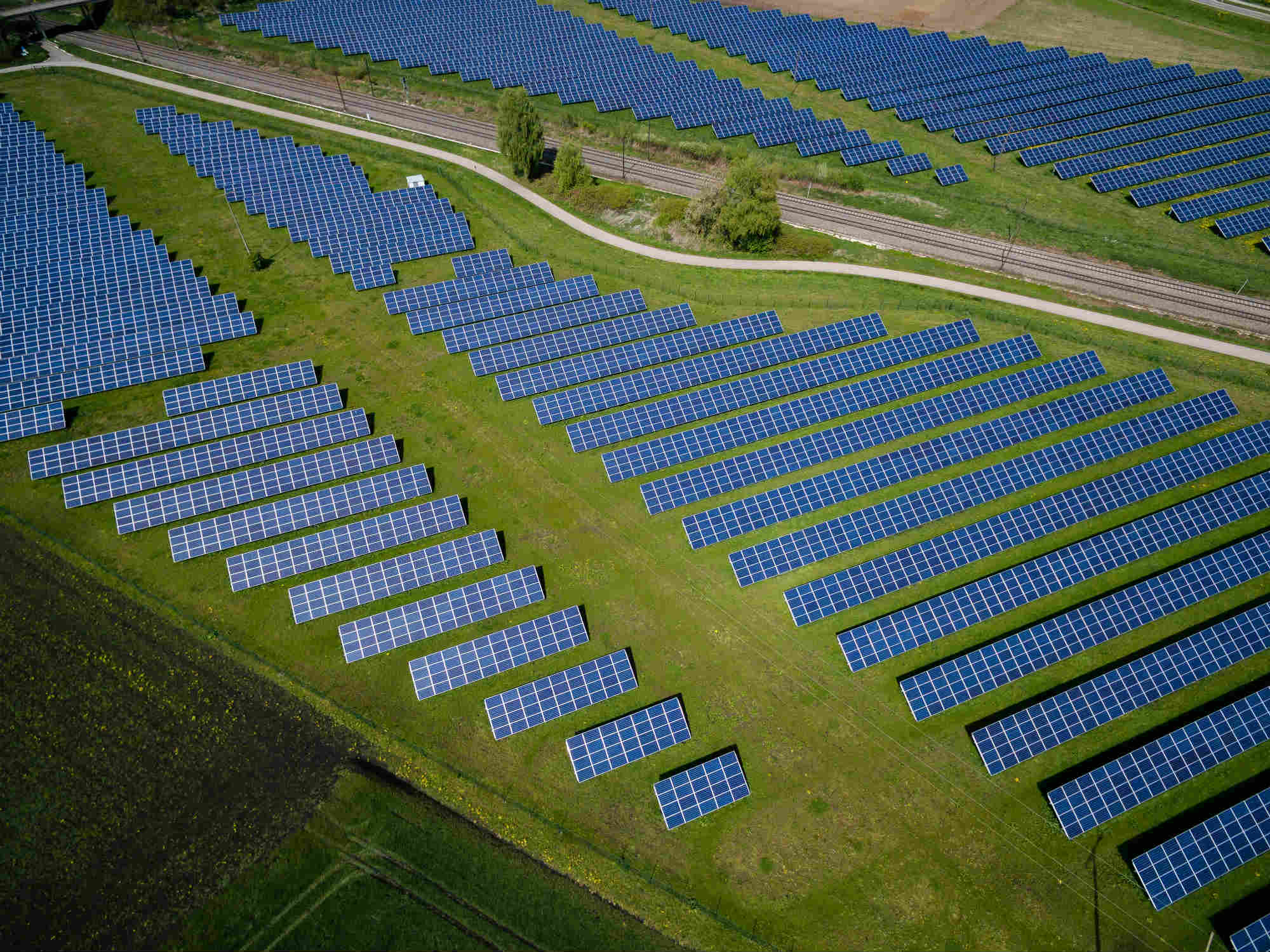
The participation of the private sector, he argued, is essential to leverage investments in energy transition, which aims to move the continent away from ‘dirty’ energy and focus on ‘clean’ energy, including renewables.
“We need to encourage risk-averse investors to invest in Africa, minimizing the risk,” said Carlos Lopes, praising the idea of issuing debt aimed at environmental projects.
Green bonds “are still underdeveloped, Africa accounts for less than 1% of these debt issues, but has enormous potential if there are the right incentives and policies,” said the former executive secretary of the United Nations Economic Commission for Africa.
The forum, which was held in virtual and face-to-face format from Lisbon, concludes a month of dialogue between Europeans and Africans on sustainable development and green investment promoted by the Portuguese presidency of the Council of the European Union (EU) with the holding of 23 virtual conferences, called “Green Talks”, which began on March 24 from Dakar, the capital of Senegal.
Portugal holds the presidency of the European Union for the first half of 2021, and has chosen relations with Africa as one of its priorities.