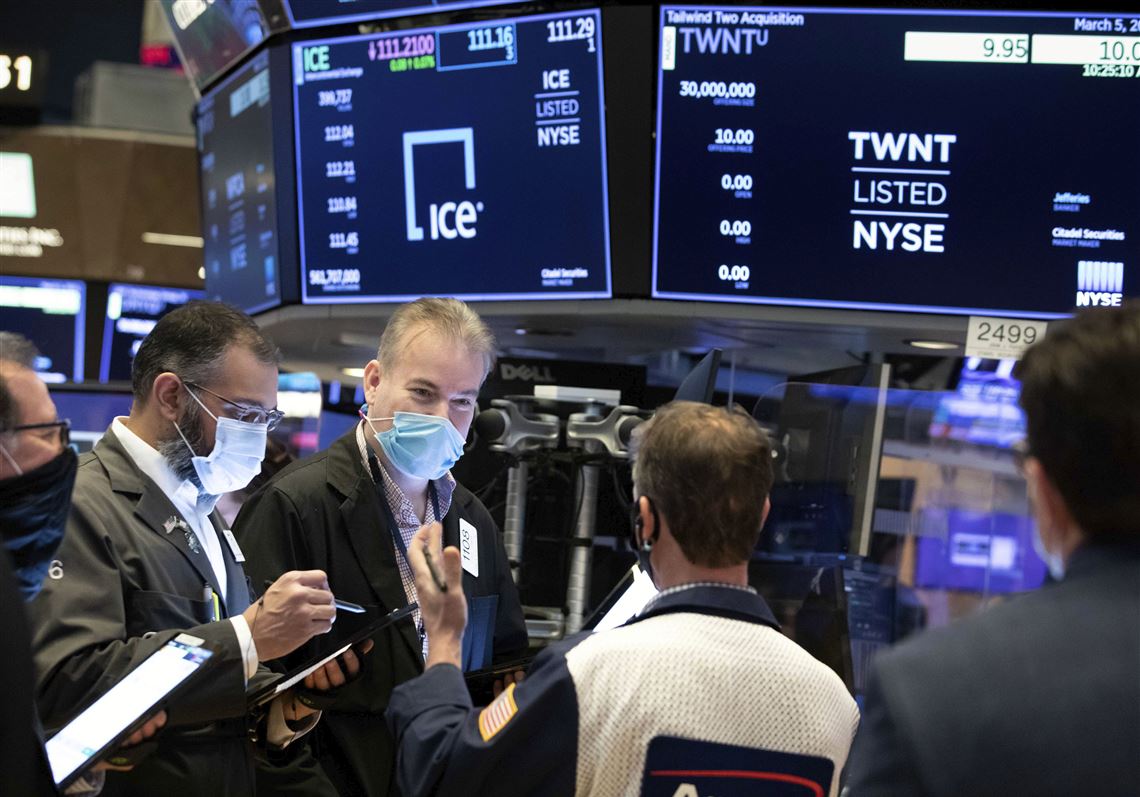

Asian stock markets closed in the red and European bourses are expected to open in negative territory, following the trend of Wall Street that yesterday suffered the biggest drop since February due to investors’ concerns about rising inflation.
The main indexes of the Asian bourses marked losses of more than 1% and futures on the Eurostoxx 50 fell 0.8%, thus pointing to a negative opening in Europe. At yesterday’s close on Wall Street Dow Jones marked a drop of 1.99%, the Standard & Poor’s 500 gave in 2.14% and the technology Nasdaq Composite depreciated 2.67%.
April inflation figures in the country came in higher than estimated (4.2%, versus 3.6% projected by economists), further spooking market players, who fear that the Fed may decide to raise key interest rates sooner than expected to curb this impetus in prices.
Investors fear that rising inflation poses a threat to the growth of the economy. Although April’s price rise was the most pronounced since 2009 in the United States, Fed Vice Chairman Richard Clarida yesterday pointed out that the accelerating rise in inflation should only be transitory.
Statements that were not enough to calm investors, although equity indices in Europe and the United States are also correcting from the record highs they reached earlier this week.
Three of the seven indicators of market sentiment that the CNN Business Fear & Greed Index tracks are at “extreme fear” levels: demand for the safety of bonds and also put options, as well as the VIX index – which measures market volatility and which soared 20% in today’s session.

“The main story is that (…) because of rising inflation, central banks are going to start tightening,” says Anna Stupnytska, global economist at Fidelity International, quoted by Dow Jones. The analyst thinks that inflation will hold next year and that the Fed will not raise rates until mid-2023. Still, multi-asset funds at Fidelity International have bought inflation-linked Treasurys, gold and industrial metals as protection against rising inflation.