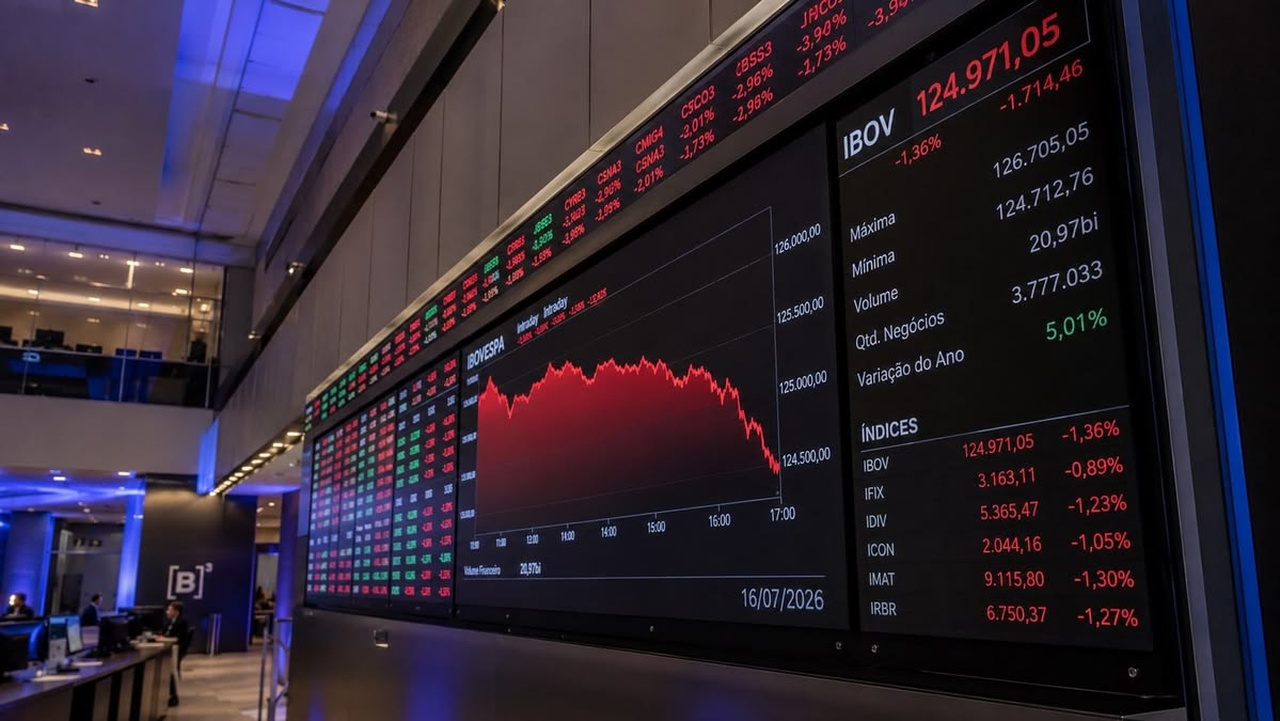

International financial markets opened Thursday, 20 August, on a more positive footing after the US Treasury announced an expansion of its long-term debt buyback operations, a move aimed at improving liquidity in the bond market and arresting the rise in yields.
The announcement drove down US Treasury yields and lifted investor appetite for riskier assets. The effects were most visible in Asian markets, which posted broad-based gains across the session.
The shift comes after a session dominated by deep concern over the United States’ public debt trajectory, inflation and geopolitical tensions in the Middle East. The 30-year Treasury yield had recently approached levels last seen in 2007, weighing on equities and pushing up global financing costs.
The dollar remains under pressure, while gold continues to benefit from safe-haven demand. The combination of falling US yields, mounting worry over the American debt path and ongoing geopolitical tensions has proved broadly supportive for the precious metal.
Gold surpassed $4,500 per troy ounce in the previous session, as the dollar index retreated sharply.
Oil prices, meanwhile, remain elevated, reflecting the risks associated with the situation in the Middle East and uncertainty over maritime transit through the Strait of Hormuz. Brent crude approached $91 per barrel in recent days.
Africa Tracks Recovery, But With Divergent Performances
Across African markets, the backdrop continues to be shaped by a combination of equity gains, movements in domestic currencies and strong demand for commodity-linked assets.
The most recent available data paint a picture of particularly strong performance across several African exchanges. As of 18 August, Ghana’s stock exchange index had accumulated a gain of 73.39% in local-currency terms since the start of the year, while Nigeria recorded one of the continent’s largest recoveries. Egypt was up 32.15%, Kenya 29.62% and Botswana 1.72%.
The BRVM, the regional bourse serving several French-speaking West African economies, had also posted a year-to-date gain of 46.68%, making it one of the continent’s best-performing markets.
In Namibia, the NSX index had accumulated a gain of 13.09%, while Morocco was trading broadly flat in local-currency terms. Moving in the opposite direction, Malawi and Mauritius were showing accumulated losses on the year.
Nigeria Stands Out Among Africa’s Largest Markets
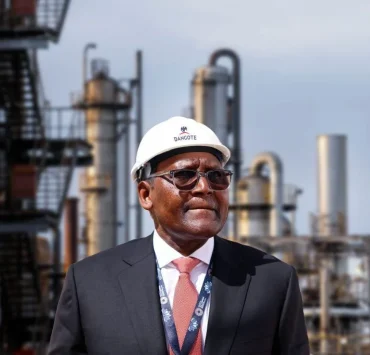
Nigeria stands out among Africa’s major markets. The strong performance of the Nigerian Exchange has been attributed to economic reforms, improved foreign-exchange liquidity, a firmer naira and a favourable environment for energy and commodity-related companies. The Nigerian bourse surpassed its Moroccan peer in size, becoming Africa’s second-largest exchange behind the Johannesburg Stock Exchange, according to data published in June.
The performance of Nigerian equities has been particularly striking in 2026. Figures released during the year pointed to gains of more than 30% for the market, though local-currency returns must be assessed alongside the naira’s own movements to gauge the effective return for international investors.
South Africa Remains the Continent’s Pre-Eminent Market
The Johannesburg Stock Exchange (JSE) retains its position as Africa’s leading financial centre and equity market, underpinned by its scale, liquidity and high exposure to multinational companies and to the mining and financial sectors.
The JSE’s performance is particularly sensitive to movements in the prices of gold, platinum, copper and other minerals, as well as to international financial conditions. Falling US yields and a weaker dollar can benefit emerging and frontier markets, though elevated oil prices and geopolitical tensions represent risks for energy-importing economies.
Angola Seeks to Deepen Its Capital Market
In Angola, developments in international markets have a direct bearing on financing conditions, the foreign-exchange market, sovereign bonds and activity on the Bolsa de Dívida e Valores de Angola (BODIVA).

Easing international yields could, in principle, help improve financing conditions for emerging markets, though Angola remains exposed to fluctuations in oil prices — the country’s primary source of external revenue.
The trajectory of African markets also highlights the development potential of the continent’s capital markets more broadly. The strong year-to-date performance of exchanges in Nigeria, Ghana, Côte d’Ivoire, Egypt and Kenya demonstrates growing investor interest in African assets, despite the currency risks and lower liquidity that characterise several of these markets.
Investors Weigh Opportunities Against Persistent Risks
The global picture nonetheless remains marked by elevated uncertainty. The trajectory of US public debt, the outlook for Federal Reserve monetary policy, oil price dynamics and tensions in the Middle East all remain among the key factors capable of triggering sharp market moves.
For Africa, the situation simultaneously presents opportunities and risks. Oil- and mineral-exporting nations stand to benefit from elevated commodity prices, while energy importers face greater pressure on their external accounts and inflation.
The international market backdrop is therefore one of moderate recovery, but without the underlying risks having receded. While developed markets adapt to a high-interest-rate environment and rising concern about sovereign debt, a number of African exchanges are delivering markedly superior returns in 2026, reinforcing the continent’s growing prominence on the radar of international investors.
Source: Mercado / Original article: https://mercado.co.ao/mercados-internacionais-recuperam-enquanto-bolsas-africanas-mantem-forte-desempenho-em-2026/