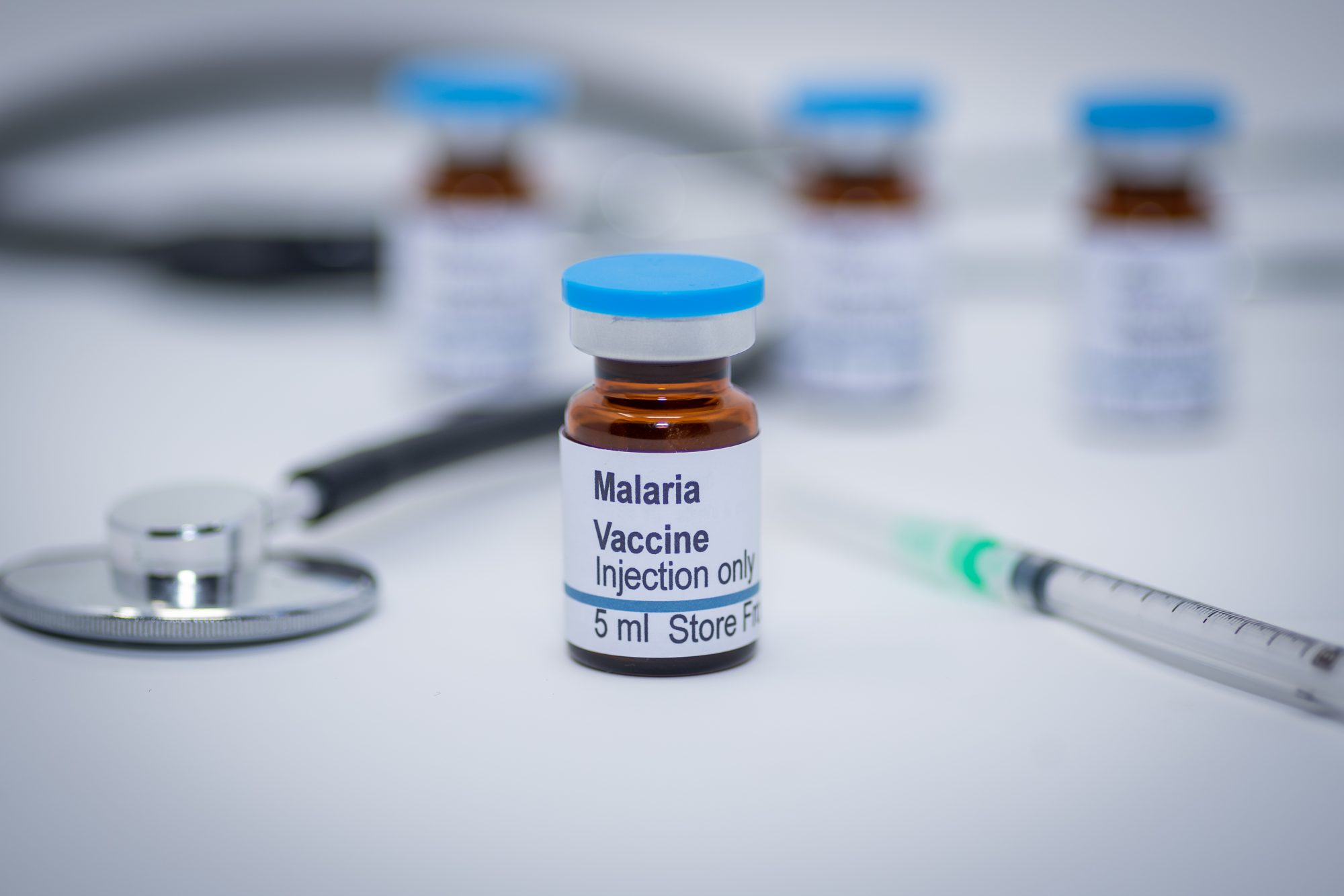

A potential new malaria vaccine has proven highly effective in a trial in babies in Africa, and may one day help reduce the number of deaths caused by the mosquito-borne disease that kills half a million children each year.
The candidate vaccine, developed by scientists at Oxford University in the UK, is called R21/Matrix-M and showed efficacy of up to 77% in the year-long trial in Burkina Faso, in which 450 children participated, said the researchers leading the clinical trial in a statement.
The group of scientists, led by Adrian Hill, director of the Jenner Institute in Oxford and also a principal investigator behind AstraZeneca’s covid-19 vaccine, said they plan to conduct further tests in about 4,800 children between the ages of five months and three years in four African countries.
Hill said he has “high expectations for the potential of the vaccine,” adding that it is the first malaria vaccine to meet the World Health Organization (WHO) goal of achieving at least 75 percent efficacy.
Scientists around the world have been working for decades to develop a vaccine capable of preventing malaria – a complex infection caused by a parasite carried in the saliva of mosquitoes.
Malaria infects millions of people every year and kills more than 400,000, mostly babies and young children in the poorest parts of Africa.
The world’s first and only licensed malaria injection, Mosquirix, was developed by GlaxoSmithKline over many years of clinical trials in several African countries, but is only 30 percent effective.
In the R21/ Matrix-M trial in Burkina Faso, the 450 children were divided into three groups. Two groups received three doses of the experimental vaccine along with a low or high dose of an adjuvant – an ingredient that boosts the immune system’s response to a vaccine – while the third group received a control vaccine.

The results, which the researchers guaranteed would soon be published in the scientific journal The Lancet, showed efficacy of 77 percent in the high-dose adjuvant group and 74 percent among those who received the vaccine at a low dose.