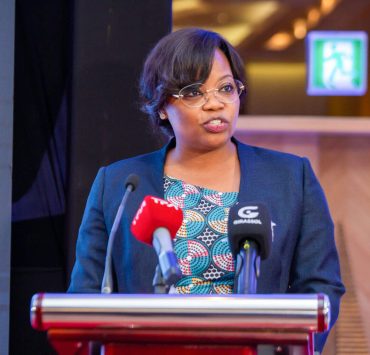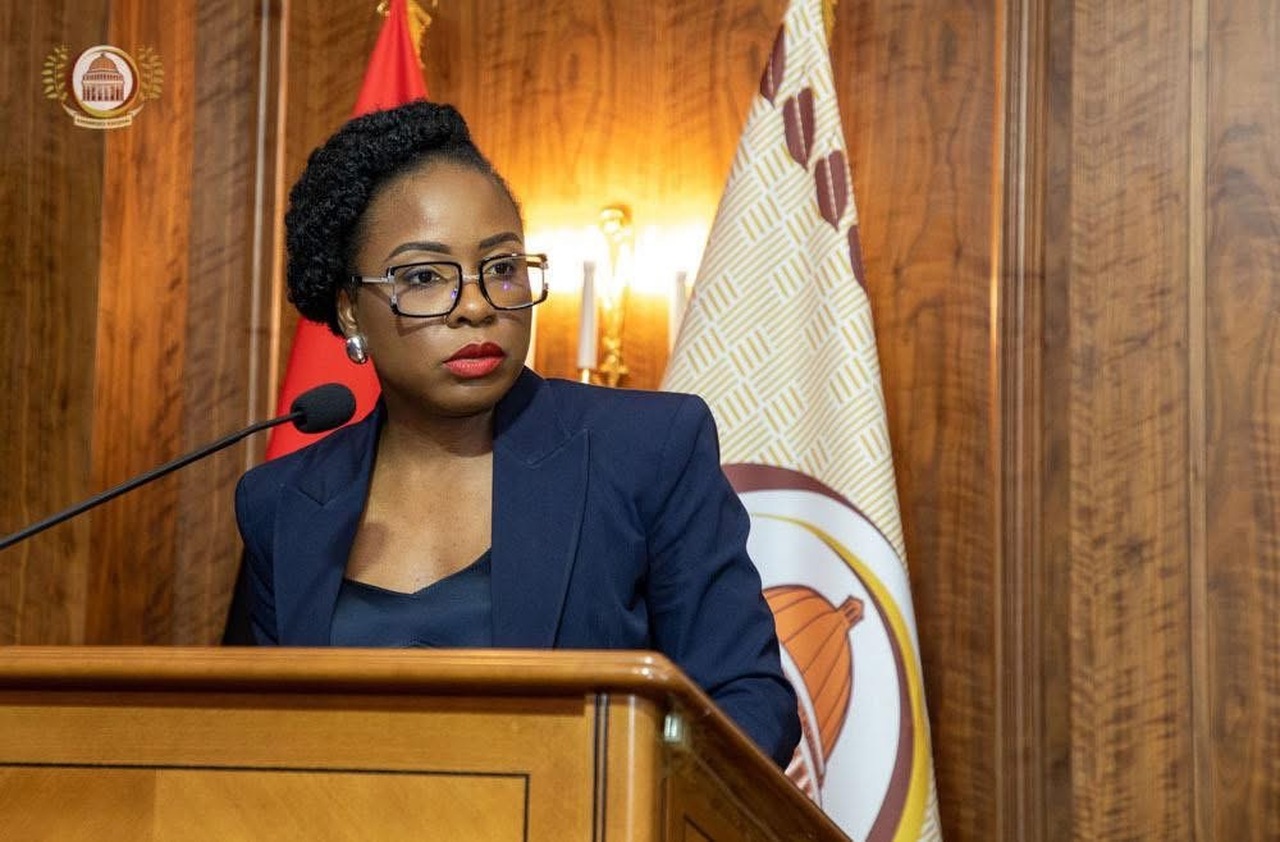

Angola’s Finance Minister Vera Daves de Sousa says she ‘understands and respects’ the European Central Bank’s position on Angolan banking supervision standards, but insists that stance does not prevent state oil company Sonangol from potentially increasing its shareholding in Portugal’s Millennium BCP. The remarks were made in an interview with Portuguese business daily Jornal de Negócios.
When the ECB assumed direct supervisory responsibility over major European banks, it required them to scale back their exposure to Angola — a move designed to prevent any future crisis in the African country from spilling over into the eurozone’s financial system. The regulatory push came in the wake of the collapse of Banco Espírito Santo (BES) in Portugal, which was dragged down in part by the financial losses at BES Angola. Since then, the ECB has repeatedly raised concerns about the National Bank of Angola’s (BNA) supervisory standards, arguing they fell short of European requirements.
More than a decade on, BPI completed the sale of its 33.35% stake in Banco de Fomento Angola (BFA) to Grupo Carrinho earlier this month — a transaction that draws a line under 30 years of the Portuguese bank’s presence in the Angolan market. Asked whether the sale signals a wider drift between the two countries, Vera Daves firmly rejected that reading. ‘I wouldn’t say so. Relations between Portugal and Angola connect at many levels. The ECB has its own dynamics, its own rules, and we also naturally understand that the National Bank of Angola is not comfortable with the perception of its supervisory standards. It will continue to do its best to ensure these are aligned with the expectations of its peers, particularly the ECB,’ she said.
The minister emphasised that BPI’s exit, like those of other European banks that have trimmed their Angolan exposure over the past decade, reflects a regulatory dynamic rather than any political or economic rupture between the two countries. ‘While that perception does not change, while it is felt that the supervisory standards of our central bank are not aligned with what is expected in European space, we will understand and respect that. This decision came from Portugal, but if it had come from another European country with exposure to the Angolan market, the decision would probably have been the same,’ she said. ‘We will continue to do our part and to work with those who share the same goals regarding investment and vision.’
The interview also touched on the regulatory dimension at a particularly sensitive moment for Millennium BCP. Sonangol is already the bank’s largest single shareholder, holding a 19.49% stake ahead of China’s Fosun, which controls 29.01% but has signalled its intention to reduce or divest its position. Asked whether European regulatory requirements would also constrain any move by Sonangol to increase its stake in the bank, Vera Daves deferred to the company itself. ‘Sonangol must speak for itself. As shareholders, we do not interfere in day-to-day decisions regarding the maintenance or increase of positions. Ultimately, what we define are policy guidelines. The policy guideline is for Sonangol to focus on its core business, and all other stakes it decides to maintain or increase should be based on a project of economic and financial rationality,’ she said.
On the regulatory feasibility of such a stake increase, the minister acknowledged she did not have full command of the technical details, but drew a distinction between different categories of investor. ‘I confess I do not fully know. I believe that, from the perspective of capital or a European bank operating in the Angolan market, one set of rules applies. From the perspective of financial resources — of credible Angolan financial institutions with capital investing in Portuguese financial assets — I believe a different set of rules applies. Legitimate, duly substantiated funds, credible institutions: I see no reason why not. That is my reading of the matter. I do not work at the ECB and do not know what rules they apply, but we understand and respect their position,’ she said.
Asked finally whether she would like to see a deepening of investment and financial ties between the two countries, the minister declined to engage in wishful thinking and referred the matter back to market forces. ‘You cannot force willing parties. Willingness has to emerge when both sides want it. The parties are those who hold the capital, who have the capacity and the decision-making power. So when there is a coincidence of will, things will happen without the authorities needing to force them. We will continue to do our part and to work with those who share the same vision on investment, giving time to those who do not yet have that will to follow the path they have chosen. And that is fine. No hard feelings about that,’ she said.
Source: Mercado / Original article: https://mercado.co.ao/pressao-do-bce-sobre-angola-nao-trava-reforco-da-sonangol-no-bcp/