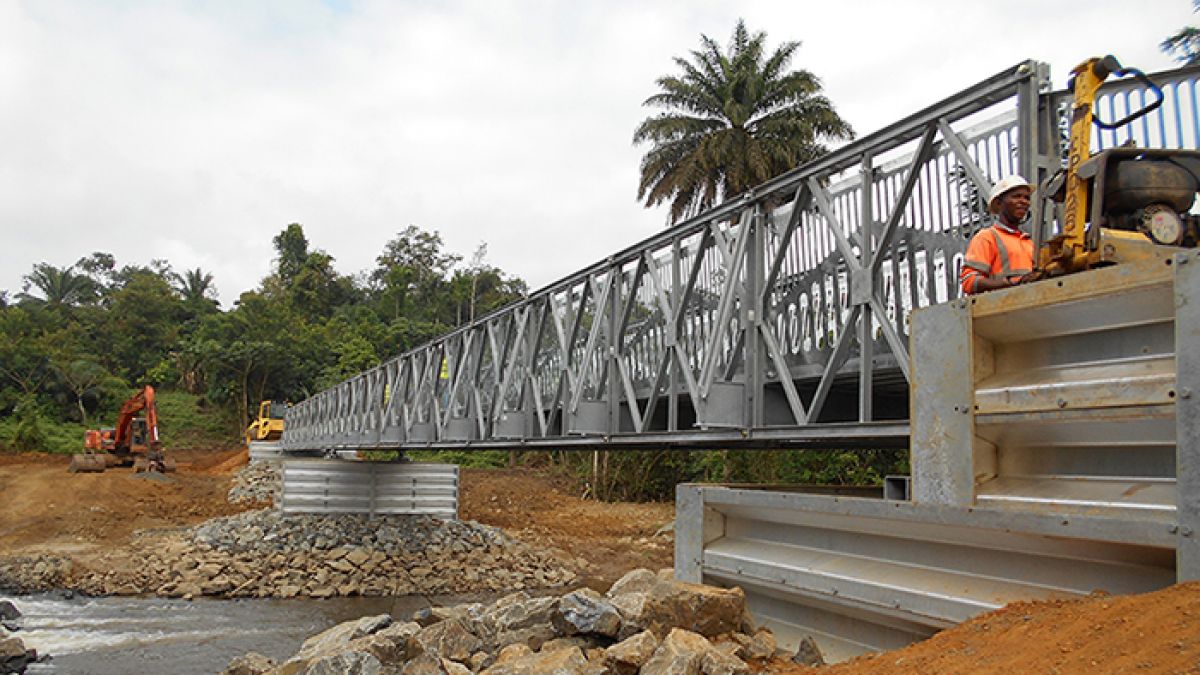

Construction of a concrete bridge over the river Lúrio, which limits Niassa and Nampula provinces, across the districts of Nipepe and Lalaua respectively, is due to start next April.
The work is estimated to cost US$8 million (601.7 million meticals), to be paid for by HD Mining Development, a Chinese company that explores graphite in Nipepe district.
The bridge, which will be built in the Metarica/Lúrio area and is due to be concluded in December, will facilitate the flow, by road, of graphite to the port of Nacala, in Nampula province.
Also with the aim of transporting the graphite, the administrator of Nipepe, Sérgio Igua, said that HD Mining Development also planned to rehabilitate the 36-kilometre road linking the district’s headquarters to the Meti administrative post in Lalaua, where it would then reach National Highway 13 (EN 13).
Igua extolled gains in the context of the construction of the bridge over the Lúrio river that has always been demanded by the population of his district, considering that the infrastructure will boost the sale of surplus produce, particularly agricultural produce.
Nipepe is a potential producer of crops such as peanuts, corn, beans, sesame, tubers and vegetables, which, at some point, do not find a market due to the difficulties of crossing on the part of those involved in the process of agricultural commercialisation between Nipepe and Lalaua, due to the flow of the river Lúrio being high most of the year.
“Nipepe will be a privileged road corridor, when construction of the bridge over the Lúrio river is concluded, because it will no longer be necessary to travel to the city of Cuamba, which is around 250 kilometres away, to travel to areas in the interior of Nampula,” said Sérgio Igua, noting that road corridors were a lever for local development.
HD Mining Development has so far invested around US$50 million (3.7 billion meticais) in prospecting for and finding graphite, which has revealed the existence of over 5 million tonnes of pure ore in Macala.

It also invested in building facilities to accommodate the ore processing complex, where it is expected to create around 300 permanent jobs for Mozambican citizens and 60 foreigners.