
Small emerging farmers and traders will benefit from an Electronic Merchandise Transaction Platform, which aims to integrate them, as well as anchor companies, into the value chain with a view to finding a market for their production under the SUSTENTA project, carried out by the Mozambican government and covering all the provinces of the country in the current five-year period.
The materialisation of this platform is already seen as beneficial by emerging small farmers and traders, as it will also reduce asymmetries in market information, so as to ensure that producers throughout the country have access to information on the prices charged for trading goods, as well as providing an organised, transparent and secure environment between sellers and buyers.
To this end, and with a view to pursuing this project, a memorandum of understanding was signed a few days ago in Maputo between the Mozambique Commodities Exchange (BMM) and the National Sustainable Development Fund (FNDS), represented by the respective chairpersons of the Board of Directors, Victoria Daniel Paulo and Claudio Borges.
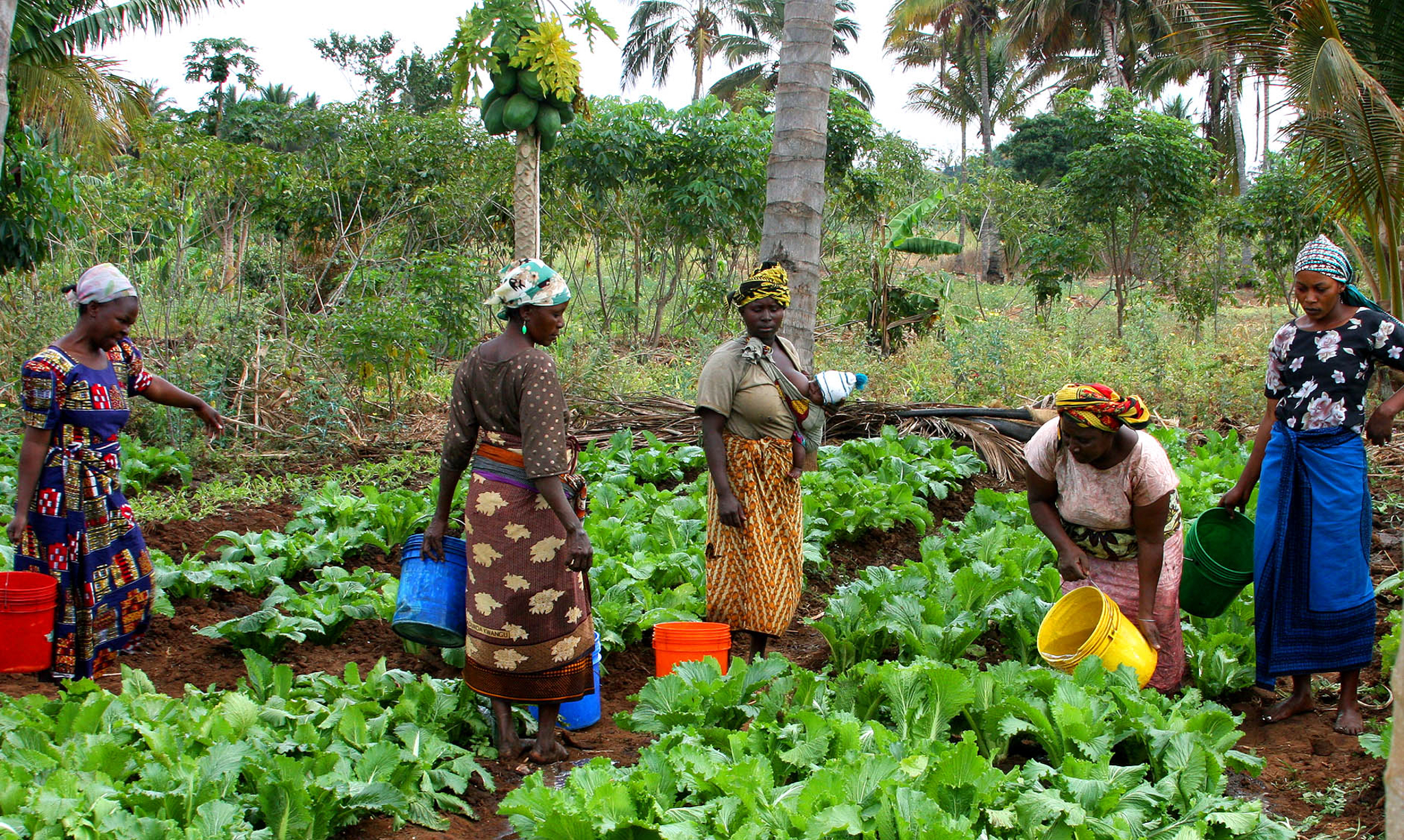
For this project, the two institutions took into account the fact that family farming in Mozambique accounts for 82 percent of the rural economy and that the government’s 2020-2024 five-year programme set as objectives in the area of trade the development of functional systems for the marketing of agricultural products to promote the development of the agricultural sector, improve food and nutritional security, as well as increasing agricultural-based exports and industrialisation.
Under the terms of the memorandum of understanding, the NSF will guarantee the availability of quality goods for stock market transactions and the sharing of information on producers and production registers. It will also disburse just over US$3 million to ensure the implementation of the commodity trading platform.
For the Mozambique Commodities Exchange, according to Victoria Daniel Paulo, the partnership with the National Fund for Sustainable Development seems pertinent as it will help to complement the government’s efforts to operationalise a mechanism that will allow for interaction and connection between emerging small farmers and traders, national and international buyers of agricultural products.

It should be noted that the Mozambique Commodities Exchange is an institution belonging to the Ministry of Industry and Trade, and the National Fund for Sustainable Development to the Ministry of Agriculture and Rural Development.